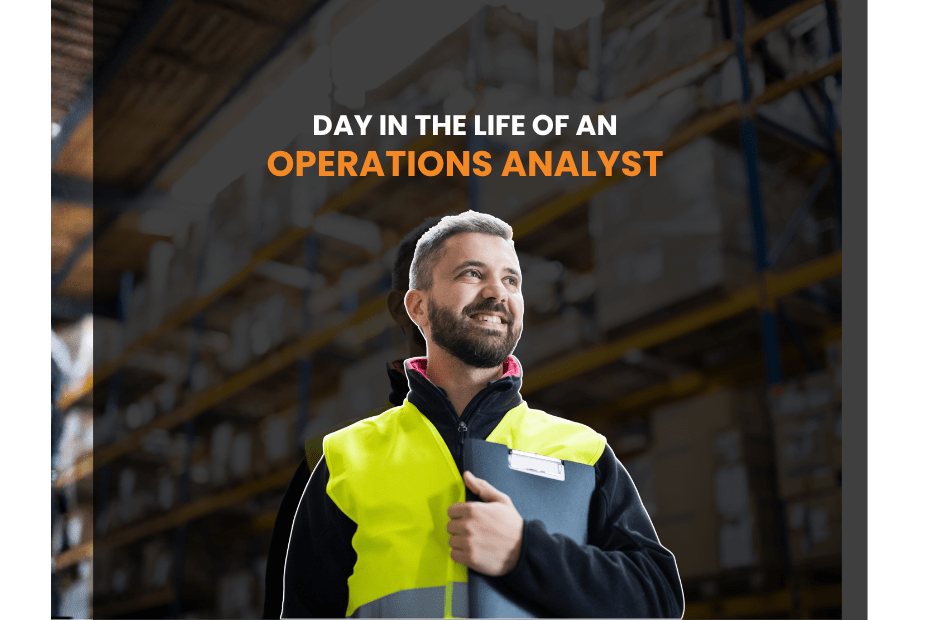
Alex is a fictional character representing the kinds of roles Splunk skills open in the logistics industry.
Every time you track a package online, something is generating that data. Alex’s job is to make sense of all of it before problems develop.
Before becoming an Operations Analyst, Alex spent two years on the warehouse floor at a regional fulfillment center. He understood the physical side of the operation: which conveyor lines had quirks, how long it took a package to move from intake to outbound, which shift patterns created bottlenecks. That context followed him when he transitioned into a data role. Here is how he spent a recent Thursday.
7:30 AM: Something is off in Memphis
Alex logs in from home and pulls up the overnight performance data. Splunk® is the platform he uses to collect and make sense of data from across the company’s network: package scanners, sorting machines, GPS units on delivery vehicles, facility systems. It pulls all of that into one place so he can actually read it.
One number stands out. The Memphis sorting hub processed about 12% fewer packages than expected overnight. Alex drills into the scanner data. One of three conveyor lines stopped logging activity at 2:17 AM and did not resume until 4:45 AM. That is a two-and-a-half-hour gap during a critical processing window.
He flags it for the regional operations team. The maintenance crew already knew about the equipment issue, but now operations has a clear picture of how it affected throughput and which packages need priority routing to make up the time.
10:00 AM: Why are deliveries slower in one region?
Alex shifts to something he has been tracking for a few weeks: a ZIP code cluster in the Southeast where last-mile delivery times are running about 40 minutes above the company average.
He pulls together GPS route data, delivery scan timestamps, and package volume. The cause shows up quickly. The company recently added a shipping partner’s volume to the local hub, so drivers are covering the same routes they always have with significantly more stops. The geography did not change. The workload did.
Alex writes a brief summary for the routing team. They can use it to decide whether to adjust delivery zones or bring in additional capacity for that area.
2:00 PM: Building something the floor can actually use
A warehouse manager in Ohio put in a request. She wants a single screen showing real-time scan rates per conveyor line, idle time, and an alert if throughput drops below a certain threshold during a shift. Alex builds it using data the company already collects. The manager just never had a way to see it all in one place before.
This is most of what his work comes down to: taking data that already exists and making it legible to the people who need to act on it.
What makes someone good at this?
Alex does not have a computer science degree. What he has is genuine knowledge of how a fulfillment operation works, because he spent years inside one. That context helps him ask better questions of the data. He knows which metrics signal a real problem and which are just normal variation.
Splunk training gave him the technical side. The warehouse experience gave him the judgment to use it well.
If you want to see what a career path like this might look like for you, visit ableversity.com.
All trademarks, logos and brand names are the property of their respective owners. Use of these names does not imply endorsement.